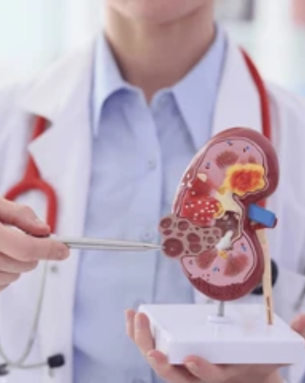
Renal Transplant: A Pathway to Restored Kidney Function
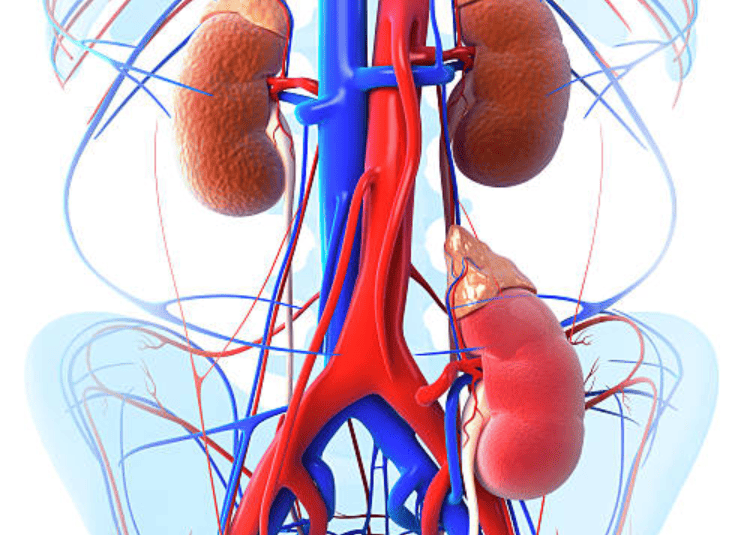
Renal transplant is a transformative procedure that offers new hope for individuals suffering from kidney failure. During this surgery, a healthy kidney from a donor is placed in the patient's body to take over the function of the failing kidneys. It is an effective solution for people experiencing end-stage renal disease (ESRD), which may result from various factors such as chronic diseases, hereditary conditions, or severe kidney injuries. The procedure eliminates the need for dialysis and restores vital kidney functions like waste filtration and fluid balance, ultimately enhancing the patient’s overall health. Successful renal transplants significantly improve the quality of life, reducing complications, hospitalizations, and the burden of long-term dialysis treatments.
Ideal Candidates for Renal Transplantation
A renal transplant is typically recommended for individuals who have reached end-stage kidney failure and are no longer benefiting from dialysis or conservative treatments. Candidates for the procedure include those suffering from chronic kidney disease (CKD) caused by diabetes, hypertension, or inherited kidney conditions. The ideal recipient must be in overall good health to undergo major surgery and avoid complications. The patient's immune system must also be capable of handling the medications required to prevent organ rejection after the transplant. People with comorbidities that could interfere with recovery, such as active cancer or severe heart disease, are generally not suitable candidates.
Rehabilitation After Renal Transplant: Essential for Long-Term Success
Rehabilitation plays a crucial role in ensuring the success of a renal transplant. Following the surgery, patients must take lifelong immunosuppressive medications to prevent rejection of the transplanted kidney. Alongside these medications, regular monitoring of kidney function, along with blood tests and follow-up visits, is essential to assess the health of the new kidney. Rehabilitation also includes adopting a balanced diet, incorporating moderate physical activity, and staying hydrated to support kidney health. Patients must also be cautious about potential infections and follow guidelines to avoid exposure to illness. A comprehensive post-transplant rehabilitation plan ensures that individuals recover fully and enjoy long-term benefits from the transplant.
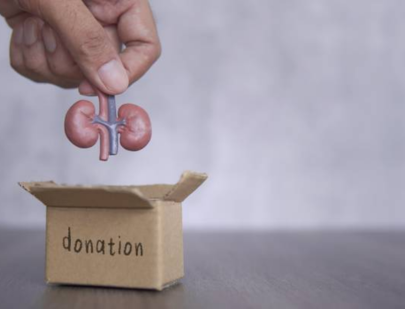
Key Reasons for Performing Renal Transplant
Renal transplant offers a fresh start for kidney failure patients
- Restores kidney function for improved overall health
- Eliminates dependence on dialysis for kidney failure patients
- Offers long-term health benefits and improved quality of life
- Improves prognosis and reduces hospitalization risks
- Transplantation provides better long-term survival rates

Suitable Candidates for Renal Transplant
Ideal candidates should meet medical and health requirements
- Recommended for those with end-stage kidney disease (ESRD)
- Suitable for patients unable to tolerate long-term dialysis
- Patients must be in overall good health for surgery
- Individuals with chronic conditions like diabetes or hypertension
- Those with a suitable kidney donor (living or deceased)
Rehabilitation and Post-Operative Care After Renal Transplant
Post-transplant care ensures kidney longevity and health
- Lifelong immunosuppressive drugs to prevent kidney rejection
- Regular monitoring to ensure proper kidney function
- Healthy diet, physical activity, and hydration for recovery
- Precautionary measures to prevent infections and complications
- Consistent follow-up visits with healthcare providers for progress tracking

Why do people choose us?
Advanced Urological Care with Expertise in Robotic Surgery and Andrology
- Expertise in robotic and minimally invasive urological surgeries
- Skilled in treating complex male infertility and erectile dysfunction
- Advanced care for kidney, prostate, and bladder cancers
- Comprehensive solutions for female urinary incontinence and UTIs
- Multilingual communication ensures patient comfort and understanding
Our Expert Doctors
Meet Our Specialist

Dr. T. Yashaswi Reddy
Urologist, Urology Oncologist and Robotics
Media Pictures

Our Specialization
Lorem ipsum specialties

Our Healthcare Services
Primary Care

Working Hours
MONDAYClosed
TUESDAYClosed
WEDNESDAYClosed
THURSDAYClosed
FRIDAYClosed
SATURDAYClosed
SUNDAYClosed


